



Introduction
Deezer has revealed a significant increase in AI-generated music uploads, with the platform now receiving approximately 75,000 such tracks daily. This accounts for a substantial 44% of all music uploaded, a steep rise from just over 10,000 daily uploads a year ago. In response to this trend, Deezer has enhanced its commitment to transparency and integrity on its platform.
Key Highlights
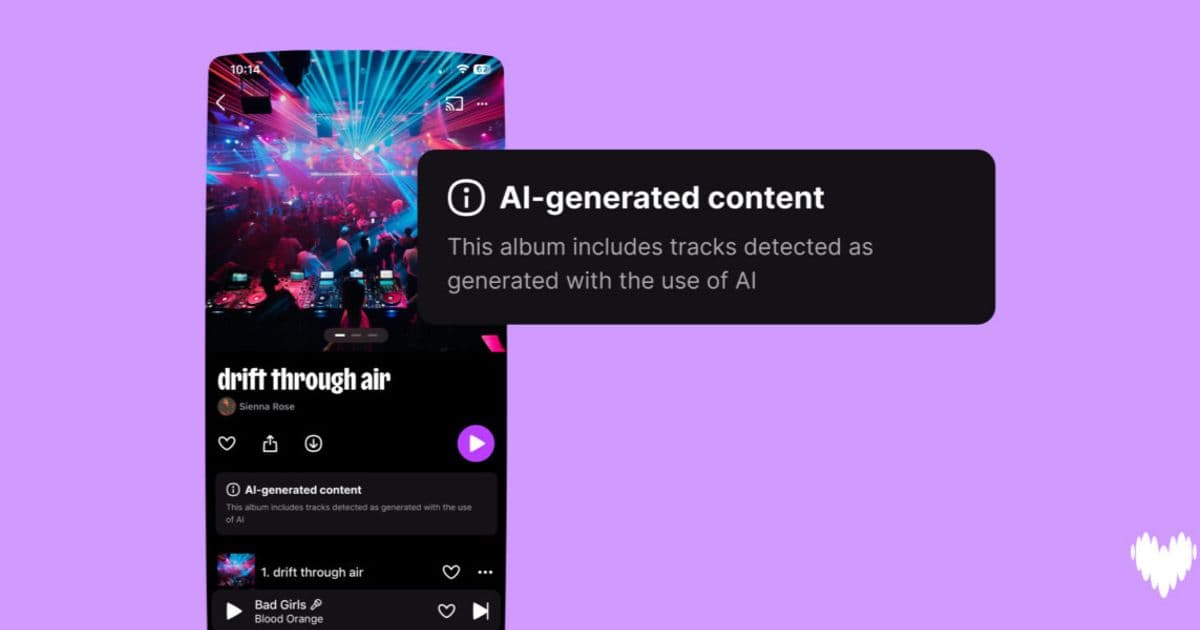
Since 2025, Deezer has implemented an AI music detection system that clearly labels tracks created using artificial intelligence. These identified tracks are automatically excluded from algorithmic recommendations and curated editorial playlists. This ensures listeners have clear information about the content they are consuming and helps manage the presence of AI-generated music.
Despite the high volume of AI-generated uploads, their actual consumption by users remains very low. Only 1-3% of all streams on Deezer feature music identified as AI-generated. Furthermore, a significant 85% of streams involving AI-generated tracks are flagged as fraudulent and subsequently demonetized, indicating both limited listener interest and active fraud prevention measures.
A recent study commissioned by Deezer found that 97% of people could not differentiate between AI-generated and human-produced music. This highlights the growing sophistication of AI in music creation. The study also revealed that 80% of respondents support clear labeling for AI-generated music, emphasizing a desire for transparency among listeners. This contrasts with other platforms like Qobuz, which has introduced its own AI detection tool, and Bandcamp, which has outright banned AI-generated music.
Advantages and Disadvantages
The clear labeling and exclusion of AI-generated music from recommendations on Deezer offer advantages for both listeners and artists. Listeners can make more informed choices about the music they discover and engage with, supporting human creativity. For artists, it helps ensure their work is not overshadowed by a flood of automated content, maintaining a fairer ecosystem. This approach also aligns with the growing demand for transparency in digital content, a topic frequently discussed in Tech News.
However, the sheer volume of AI uploads presents a challenge for moderation and detection systems. The study's finding that most people cannot distinguish AI from human music suggests that relying solely on listener perception is insufficient. The potential for AI to impact the livelihoods of human musicians remains a concern, necessitating ongoing vigilance and evolving platform policies. Understanding these dynamics is crucial for anyone interested in the future of AI & Tech Guides.
Explore related tools in our AI Marketplaces and Search Engine categories.
Conclusion
Deezer's proactive approach to managing AI-generated music reflects a growing industry-wide challenge. By implementing clear labeling and filtering mechanisms, the platform aims to maintain integrity and transparency for its users. While AI music creation is rapidly advancing, its impact on actual music consumption remains limited, and measures are in place to combat fraudulent activity. The company's strategy prioritizes listener choice and the support of human artists in an evolving digital music landscape.